
Overview
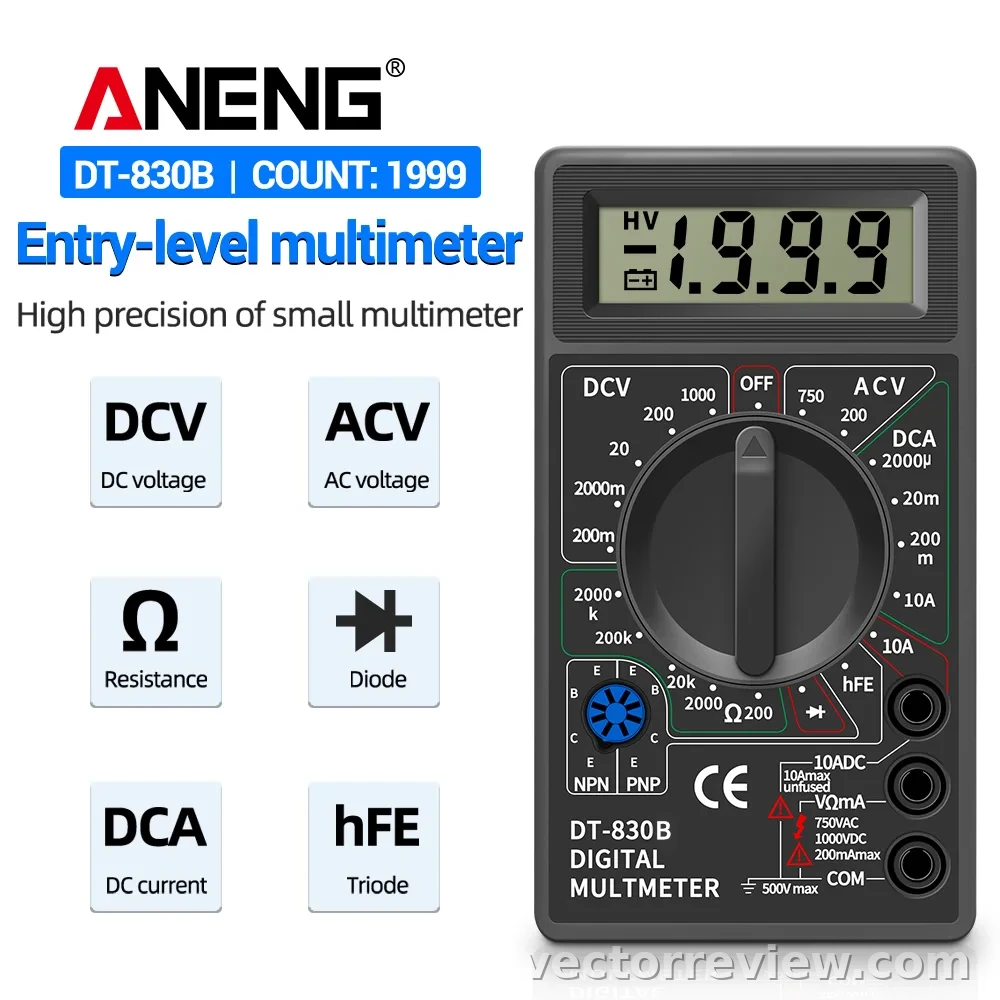
The DT830B is a compact, entry-level digital multimeter that has become a staple in beginner electronics kits. Manufactured under various OEM brands (including Mastech, UNI-T clones, and generic labels), it is a 3½-digit, 1999-count meter with a manual ranging design. It measures DC/AC voltage, DC current, resistance, and includes diode and transistor (hFE) test modes. Its extremely low price—typically under $10—makes it one of the most accessible multimeters on the market.
This review examines the DT830B's features, pricing, real-world performance, and user feedback to help you decide if it's the right tool for your needs.
What the DT830B Offers
Key Features
- Display: 3½-digit LCD, 1999 count, with auto polarity and low battery indicator.
- Functions: DC voltage (200mV–1000V), AC voltage (200V–750V), DC current (200µA–10A), resistance (200Ω–2MΩ), diode test, transistor hFE test, and continuity (buzzer on some models).
- Ranging: Manual range selection via a rotary dial.
- Power: 9V battery (usually included).
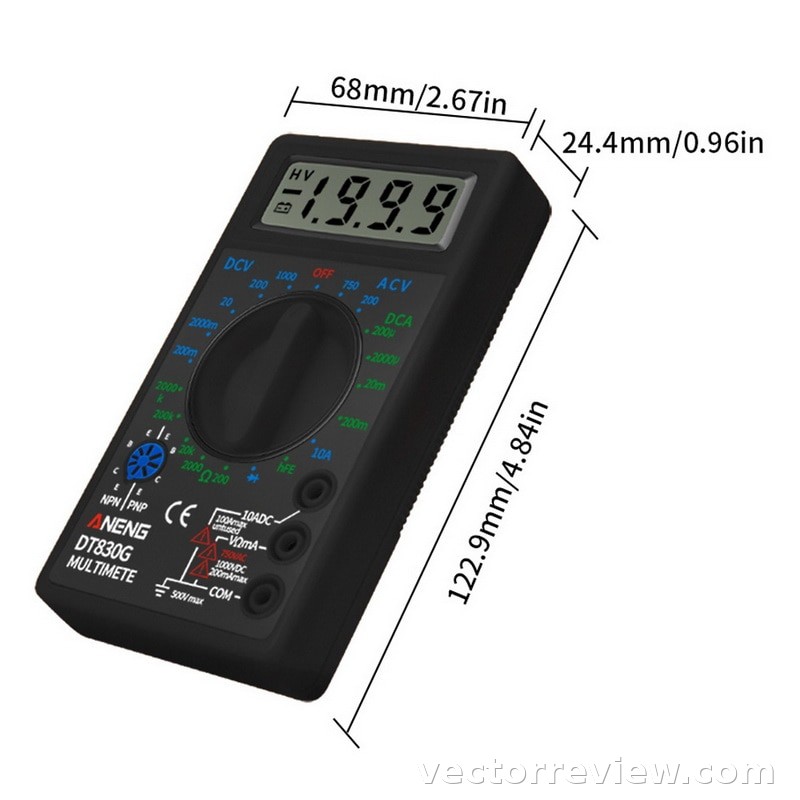
- Size: Pocket-sized, approximately 126 x 70 x 24 mm, weighing around 170g.
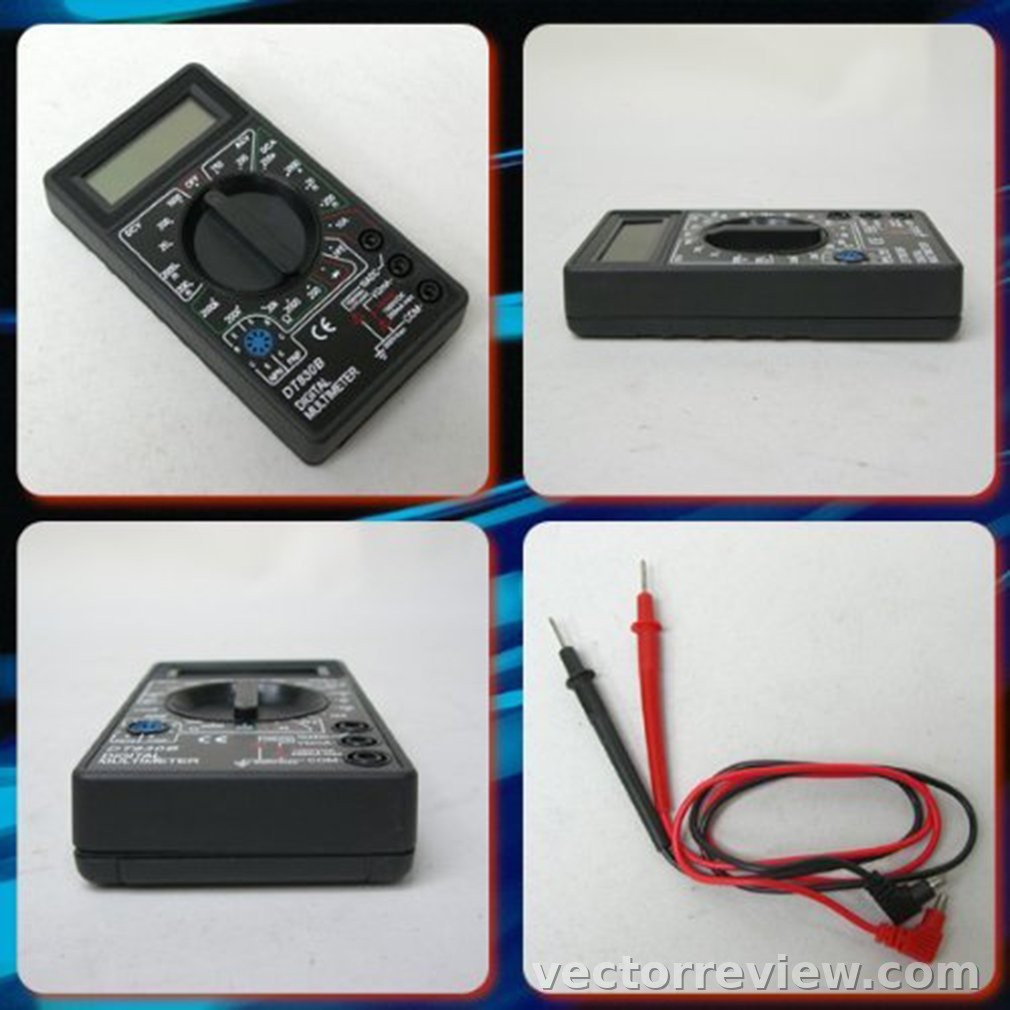
- Included accessories: Test leads, and sometimes a manual.
What It Doesn't Have
- No auto-ranging.
- No true RMS AC measurement.
- No data hold or backlight.
- No CAT safety ratings for high-energy circuits.
- No capacitor measurement (on most versions).
Pricing
The DT830B is one of the cheapest multimeters available. Prices vary widely by seller and region:
- Typical range: $3 to $10 on marketplaces like Amazon, AliExpress, and electronics distributors.
- Occasional deals: As low as $1.44 during promotions.
- Bundled versions: Some kits include the meter with test leads and a 9V battery for around $8–$12.
At this price point, it's an impulse buy for many hobbyists. However, be wary of unusually high prices (some listings show $40 or more), which likely reflect inflated shipping or third-party markups.
Performance and Accuracy
Voltage Measurement
The DT830B performs well for basic DC voltage checks. In one hands-on test, a user measured a 12V DC power supply and got a reading of 12.15V, which is within expected tolerance. For AC voltage, it's suitable for checking mains presence but not for precise measurements due to lack of true RMS.
Current Measurement
Measuring current requires placing the meter in series with the circuit. The DT830B has a 10A range but lacks a fuse on some units (notably the DT830D variant). This is a significant safety concern: without fuse protection, an over-current event can damage the meter or create a hazard. Users should exercise extreme caution when measuring current, especially on unknown circuits.
Resistance and Continuity
Resistance measurements up to 2MΩ are adequate for hobby use. The continuity test on models with a buzzer is handy for checking wires and traces, though some versions lack the beeper and require watching the display.
Diode and Transistor Test
The diode test accurately measures forward voltage drop, and the transistor hFE test is functional for basic checks. These features add value for beginners learning about semiconductors.
User Experiences
Feedback from hobbyists, students, and DIYers is generally positive for the price. Common themes:
- Reliable for basic tasks: Users report accurate readings for battery voltage, resistor values, and continuity checks.
- Good learning tool: Manual ranging forces users to understand measurement ranges, which is educational.
- Build quality varies: Some units have poorly fitting probe jacks, misaligned stickers, or stiff rotary dials.
- Probes are low quality: The included test leads have resistance around 0.5Ω and may get hot when measuring high currents. Upgrading probes is recommended.
- Safety concerns: The lack of fuse on some current ranges is a recurring complaint. Users advise against using it for mains or high-energy circuits.
Pros and Cons
Pros
- Extremely affordable—often under $10.
- Compact and portable.
- Covers essential measurements: voltage, current, resistance, diode, transistor.
- Simple enough for beginners to learn on.
- Widely available online and in stores.
Cons
- Manual ranging can be inconvenient and error-prone.
- No true RMS, so AC measurements are approximate.
- Safety limitations: no CAT ratings, and some units lack fuses on current ranges.
- Build quality is inconsistent; probes are cheap.
- Not suitable for professional or high-energy work.
Who Is It For?
The DT830B is ideal for:
- Electronics students and beginners learning basic measurements.
- Hobbyists doing low-voltage projects (e.g., Arduino, breadboard circuits).
- Quick checks around the house (battery health, continuity).
It is not recommended for:
- Professional electricians or technicians.
- Any work involving mains voltage or high-energy circuits.
- Applications requiring high accuracy or true RMS.
Summary
The DT830B digital multimeter is a budget-friendly tool that delivers on its promise: it provides basic measurement capabilities at an unbeatable price. For beginners and hobbyists, it's a practical entry point into electronics. However, its limitations—manual ranging, lack of safety features, and variable build quality—mean it should be used with caution and only for low-risk tasks. If you need reliability for higher-stakes work, consider spending more on a meter with CAT ratings and fused inputs. But for learning and casual tinkering, the DT830B remains a popular and reasonable choice.


