
Overview
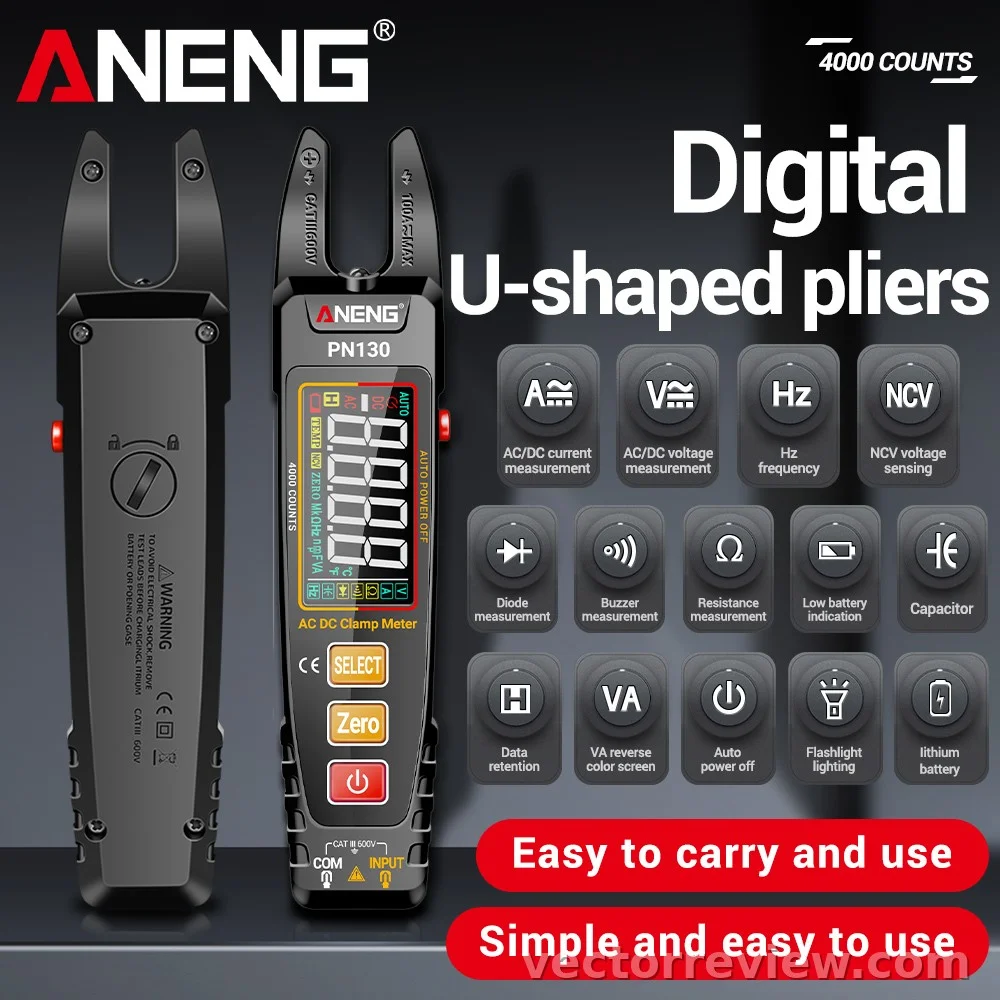
Aneng is a budget-friendly brand known for producing affordable test equipment, including digital multimeters and clamp meters. Their products are widely available on marketplaces like AliExpress, Banggood, and other online retailers, often at very low prices. This review focuses on Aneng clamp meters, which are popular among DIYers and hobbyists looking for inexpensive tools for electrical measurements.
Clamp meters from Aneng typically offer AC/DC current measurement, voltage, resistance, and other functions. They are designed for non-contact current measurement, making them convenient for automotive and electrical work. However, the low price point often comes with trade-offs in build quality, accuracy, and after-sales support.
What Aneng Clamp Meters Offer
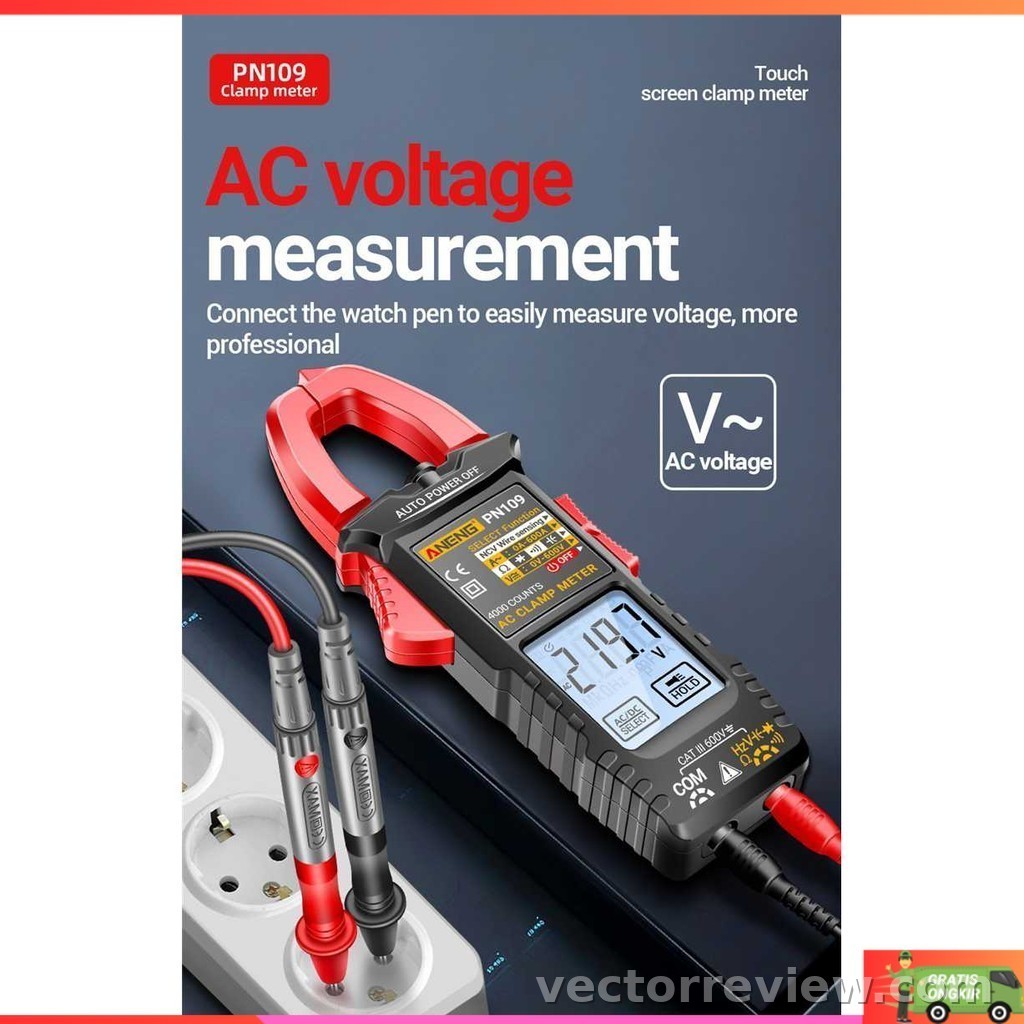
Aneng produces several clamp meter models, such as the ST1212, ST213, and others. These meters generally include a range of features aimed at basic electrical testing. Common capabilities include:
- AC/DC current measurement via a clamp jaw (typically up to 400A)
- Voltage measurement (AC/DC)
- Resistance, capacitance, frequency, and temperature (on some models)
- Non-contact voltage (NCV) detection
- Continuity buzzer and diode test
- Data hold and auto power-off
- Backlight and sometimes a flashlight
Some models, like the ST213, feature a dual-screen display and a VA reverse-color screen for better visibility in dark environments. They often come with basic accessories like test leads and a thermocouple, but batteries are usually not included.
Pricing
Aneng clamp meters are positioned at the budget end of the market. Prices typically range from $20 to $50, depending on the model and seller. For example, the ST1212 can be found for around $20, while the ST213 may cost slightly more. These prices are significantly lower than those of established brands like Fluke or Brymen.
However, the low initial cost may be offset by potential issues with durability and support. Shipping costs can also vary; some users have reported unexpected increases in shipping fees after purchase.
Features and Specifications
Below is a comparison of key specifications for two popular Aneng clamp meter models:
| Feature | Aneng ST1212 | Aneng ST213 |
|---|---|---|
| Max Count | 4000 counts | 6000 counts |
| AC Current | 0.1A~400A | 0.6A~400A |
| DC Current | 0.1A~400A | 0.3A~400A |
| AC Voltage | 0.1mV~600V | 0.01mV~600V |
| DC Voltage | 0.1mV~600V | 0.01mV~600V |
| Resistance | 0.1Ω~40MΩ | 0Ω~60MΩ |
| Capacitance | Not specified | 0nF~60mF |
| Frequency | Not specified | 40Hz~1000Hz |
| Temperature | Not specified | -40℃~999℃ |
| NCV | Yes | Yes |
| Display | Single | Dual |
| Battery | 2x AAA | 2x AAA |
| Weight | ~150g | ~149g |
Note: Specifications are based on manufacturer data and may vary slightly between units.
User Experiences
User feedback on Aneng clamp meters is mixed. Many appreciate the low price and basic functionality for occasional use. However, common complaints include:
- Build quality: The plastics often feel cheap, and the included test leads are frequently described as poor quality.
- Accuracy: While adequate for basic tasks, accuracy may not match that of more expensive brands, especially for low-current measurements.
- Durability: Some users report that meters fail after a short period, sometimes just outside the warranty window.
- Customer service: After-sales support is often criticized. Users report difficulty obtaining warranty service, with some being asked to provide videos or even disassemble the meter for proof of defect. In some cases, refunds were only obtained through the marketplace's buyer protection.
- Safety: Concerns have been raised about the validity of CAT ratings on some models, as they may not be independently certified. This is particularly important for those working with mains voltages.
On the positive side, some users find that with careful use, the meters can serve as inexpensive tools for automotive or low-voltage electronics projects. The AN870, a multimeter (not a clamp meter), has been noted for its decent accuracy and many functions, though its input protection is lacking.
Pros and Cons
Pros
- Very low price compared to major brands
- Wide range of functions including AC/DC current, voltage, resistance, and more
- Non-contact measurement for safety and convenience
- Compact and lightweight design
- Some models have dual displays and backlights
Cons
- Build quality is often subpar, with cheap plastics and poor test leads
- Accuracy may be questionable, especially for critical measurements
- Durability is inconsistent; some units fail prematurely
- Customer support is widely reported as unhelpful
- Safety ratings may not be reliable; not recommended for high-voltage work
- Shipping and warranty issues can arise, especially with international sellers
Summary
Aneng clamp meters offer a budget-friendly entry point into electrical testing. They can be suitable for hobbyists, DIYers, and those who need a basic tool for occasional low-voltage tasks. However, they come with significant caveats: build quality, accuracy, and after-sales support are common weak points. For professional or safety-critical applications, investing in a more reputable brand is advisable.
If you decide to purchase an Aneng clamp meter, consider buying from a seller with robust buyer protection, and be prepared to treat it as a disposable tool rather than a long-term investment. For those on a tight budget, it might serve its purpose, but manage your expectations accordingly.


